EN
EN


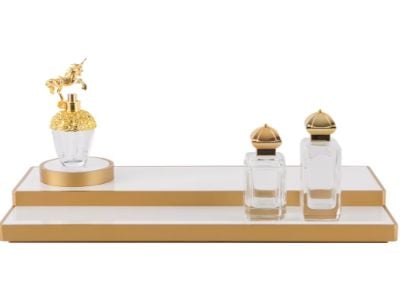
High-end wooden display boxes are essential for luxury retail environments, showcasing products with elegance and sophistication. Understanding what defines a high-end wooden display box for luxury retail can help purchasing managers and product managers make informed decisions. This article will address key specifications, material advantages, common issues and solutions, applications in retail, and quality control measures that can impact your purchase.
Key Specifications for High-End Wooden Display Boxes
When evaluating high-end wooden display boxes, several key specifications should be considered:
Dimensions: The size of the display box must align with the products it will hold. Accurate measurements ensure that items fit properly without being cramped or overly loose. Custom sizing options may be necessary depending on the product dimensions.
Material Thickness: The thickness of the wood impacts durability and aesthetic quality. Thicker materials often enhance the luxurious feel and ensure the display box is sturdy enough to hold heavier items without warping or breaking.
Finishing: The surface treatment of the wood, such as varnishing or staining, not only affects the appearance but also protects against moisture and damage. High-quality finishes can enhance the visual appeal and longevity of the display box.
Interior Design: The interior should be tailored to the products it will display, potentially including features like padding or compartments to secure items in place. Custom interiors can significantly enhance the overall presentation.
Weight Capacity: Understanding the weight capacity of the display box is crucial, especially for heavier wooden display stand items. This specification ensures that the box can support the intended products without compromising integrity.
Comparing Material Advantages in Luxury Display Boxes
The choice of material plays a significant role in the overall quality and perception of a wooden display box. Here are some common materials used in high-end wooden display boxes and their advantages:
Solid Wood: This material offers a premium feel and comes in various types, such as oak, walnut, and cherry. The natural grain and color variations add uniqueness to each box. Solid wood is durable and can withstand typical retail environments.
Plywood: While less expensive than solid wood, high-quality plywood can still provide a luxurious appearance when finished properly. It is lightweight and can be manufactured in larger sizes, making it a cost-effective option for larger displays.
MDF (Medium Density Fiberboard): Often used for intricate designs due to its smooth surface and ability to be easily shaped, MDF can be veneered with wood for an upscale look. However, it may be less durable than solid wood in high-traffic areas.
Composite Materials: These can combine wood with other materials, offering unique aesthetic options and potentially reducing costs. However, the quality of composites can vary significantly, so it is important to assess durability and appearance.
When selecting materials, consider the overall branding and presentation strategy for the luxury retail environment, as this can impact customer perception.
Common Problems with Wooden Display Boxes and Solutions
Despite their appeal, wooden display boxes can present challenges. Here are some common issues and their solutions:
Warping: Wood can warp due to changes in humidity and temperature. To mitigate this, choose high-quality wood treated for stability and consider protective coatings. Regularly inspect the display boxes in varied environments to ensure they remain true to shape.
Scratches and Dents: In retail settings, display boxes may be subject to wear and tear. Opt for finishes that include protective properties, and regularly maintain the boxes by cleaning and polishing to minimize visible damage.
Inconsistent Quality: When sourcing display boxes, ensure that the manufacturer follows strict quality control processes. Request samples prior to bulk ordering to evaluate craftsmanship and material quality. This step helps to avoid discrepancies in appearance and functionality.
Insufficient Customization: Retailers may require specific design elements for their display boxes. Engage with manufacturers that offer customization options to ensure your display boxes meet branding and functional needs.
Applications for High-End Wooden Display Boxes in Retail
High-end wooden display boxes serve various applications in retail, enhancing product presentation and branding. Key areas of application include:
Jewelry Stores: Display boxes can be used to showcase rings, necklaces, and other fine jewelry, allowing for an attractive presentation that highlights the craftsmanship and value of the items.
High-End Fashion: Clothing and accessory retailers often use wooden display boxes to present items such as handbags or scarves, creating a luxurious shopping experience that resonates with customers.
Gift Shops: Gift items can be attractively displayed in wooden boxes, making them more appealing for potential buyers. Custom designs can further enhance the gift-giving experience.
Electronics: Premium electronics brands use high-end wooden display boxes to convey sophistication and quality, elevating the perceived value of their products.
These applications highlight how well-crafted wooden display racks for shop display boxes can enhance the retail environment, driving customer engagement and sales.
Evaluating Quality Control in Wooden Display Box Manufacturing
Quality control is a critical aspect of wooden display box manufacturing. Here are key considerations:
Certifications: Look for manufacturers that hold relevant certifications, such as ISO9001:2015, which indicates adherence to quality management standards. Certifications ensure that products consistently meet quality and safety requirements.
Production Equipment: Advanced manufacturing processes, including CNC routing and laser cutting, contribute to precision and quality in production. Inquire about the technology used and how often it is updated to maintain efficiency and quality.
Quality Inspection Processes: A reliable manufacturer should have rigorous quality inspection protocols in place. This includes checks at various stages of production, from raw material sourcing to the final product. Understanding these processes can provide assurance of the quality you can expect.
Customer Feedback and Testing: Engaging with previous customers and seeking feedback can help gauge a manufacturer’s reliability. Additionally, requesting test samples can provide insight into the quality and suitability of the display boxes for your specific needs.
By focusing on these quality control measures, purchasing managers can ensure they partner with a reputable wooden acrylic stand committed to delivering high-end wooden display boxes that meet luxury retail standards.