EN
EN


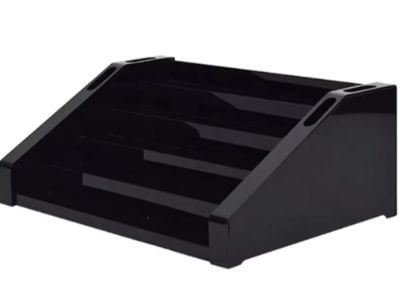
The growth of wooden display box applications in cosmetic branding has become increasingly significant as brands look for unique and sustainable ways to present their products. Wooden display boxes not only enhance brand visibility but also provide a tactile experience that resonates with consumers. For B2B buyers, understanding the key considerations when selecting wooden display boxes is essential, as it impacts brand perception, product protection, and overall marketing strategy. This article will explore how these display boxes enhance cosmetic branding, the factors to consider when choosing them, their cost-effectiveness, crucial design specifications, and common challenges along with their solutions.
How Wooden Display Boxes Enhance Cosmetic Brand Visibility?
Wooden display boxes serve as a striking visual element in retail environments, capturing the attention of consumers and prompting engagement with the brand. Their natural aesthetic aligns well with the growing consumer preference for sustainable and eco-friendly products. A well-designed wooden display can highlight the elegance and quality of cosmetic products, creating a premium image that resonates with target audiences.
Furthermore, the use of wood allows for various customization options, such as branding through laser engraving or UV printing. These enhancements not only promote brand identity but also foster a sense of authenticity and craftsmanship. Retailers often find that incorporating wooden acrylic stand display boxes leads to increased foot traffic and higher conversion rates, as consumers are drawn to visually appealing and environmentally conscious packaging solutions.
Choosing the Right Wooden Display Box for Your Product Line
Selecting the right wooden display box involves several critical factors. First, consider the dimensions and style of your products. Ensure that the display box can accommodate the sizes and shapes of your cosmetic items while allowing for easy access. Additionally, the design should reflect your brand’s identity; a minimalist box may work for a luxury cosmetics line, while a rustic design might appeal to organic product brands.
Material selection is also paramount. Different types of wood offer varying durability, aesthetic qualities, and cost implications. For instance, hardwoods like oak or maple provide a premium look but may increase costs, whereas softwoods such as pine are more budget-friendly. It’s essential to balance aesthetic appeal with practicality, considering how the box will perform under retail conditions, such as exposure to humidity or handling by customers.
Evaluating the Cost-Effectiveness of Wooden Display Boxes
When evaluating the cost-effectiveness of wooden display boxes, buyers should consider both upfront costs and long-term value. While wooden displays may initially be more expensive than other materials, their durability often leads to lower replacement rates and better protection for products. Quality wooden display boxes can withstand wear and tear, reducing the frequency of replacements compared to cardboard or plastic alternatives. Additionally, the impact on sales performance must be examined. A visually appealing and sturdy display can lead to higher sales, justifying the initial investment. Retailers should analyze sales data alongside display costs to determine the return on investment (ROI). For example, if a wooden display stand box increases sales by 20%, the additional revenue can quickly offset the initial expenditure, making it a financially sound decision.
Key Specifications to Consider in Wooden Display Box Design
When designing wooden display boxes, several specifications must be carefully considered to ensure functionality and aesthetic appeal. Key specifications include:
Dimensions: The internal dimensions must accommodate the product sizes, ensuring stability and visibility without overcrowding.
Material Thickness: Thicker wood may provide better durability but can also increase weight and cost. Assess the balance between sturdiness and practicality.
Finishing Options: Surface treatments such as varnishing or staining can enhance the appearance while providing protection against moisture and scratches. Choose finishes that align with the brand image and product requirements.
Weight Capacity: Ensure the box can support the weight of the products without compromising structural integrity, especially for heavier items like glass bottles.
Additionally, consider how the design facilitates easy assembly and disassembly, which can be a crucial factor for retailers who need to set up displays quickly.
Common Problems with Wooden Display Boxes and Their Solutions
Despite their advantages, wooden display boxes can present specific challenges. Here are common problems along with potential solutions:
Warping or Cracking: Wood is susceptible to changes in humidity and temperature. To mitigate this, opt for wood that has been properly treated or sealed to withstand various environmental conditions.
Weight Issues: Heavy wooden display boxes can be difficult to move and set up. Consider incorporating lightweight materials or design features that make handling easier, such as built-in handles or lighter wood types.
Cost Variability: The cost of wooden display boxes can vary significantly based on material and design complexity. To address budget concerns, work with manufacturers who offer customization options that fit within your price range without compromising quality.
Sustainability Concerns: As consumer demand for sustainable products rises, ensure that the wood sourced for displays is responsibly harvested and certified. This not only aligns with market trends but also enhances brand reputation.
By proactively addressing these challenges, buyers can ensure their wooden display boxes serve their intended purpose effectively while maintaining brand integrity.
Understanding the growth of wooden retail display applications in cosmetic branding is essential for B2B buyers looking to enhance their product visibility and customer engagement. By focusing on the right design, material selection, and addressing potential challenges, brands can create impact full displays that elevate their marketing efforts.