EN


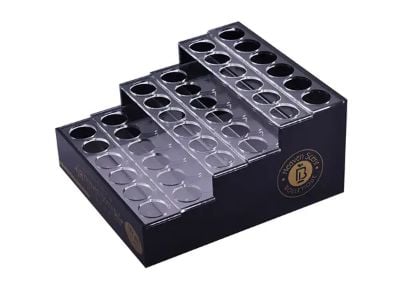
In the dynamic world of retail and commercial displays, acrylic holder solutions have emerged as a leading choice for businesses seeking effective and visually appealing ways to showcase products. The dominance of these acrylic display systems stems from a combination of factors that meet the evolving needs of modern display markets. This article delves into why stand acrylic holder solutions dominate these markets, addressing key buyer concerns such as material selection, cost factors, sourcing, installation, and comparisons with other display options
Why Choose Acrylic Holder Solutions for Your Display Needs
Acrylic holder solutions are preferred in display box for shop applications due to their versatility, aesthetic appeal, and durability. Acrylic, a lightweight and shatter-resistant material, allows for the creation of elegant designs that enhance product visibility. These holders can be molded into various shapes and sizes, making them suitable for a wide range of products—from brochures to high-end merchandise
Another critical aspect of acrylic holders is their ability to withstand environmental factors. Unlike glass, acrylic does not easily shatter, reducing the risk of injury during displays. Additionally, acrylic can be manufactured with UV protection, ensuring that products displayed under bright lights retain their integrity over time
Buyers should also consider the ease of customization that acrylic holders offer. Many manufacturers, like Sunyu Display Product Co., Ltd., provide options for personalized branding, ensuring that the display complements the overall aesthetic of the retail space. This level of customization enhances brand recognition and customer engagement

Cost Factors to Keep in Mind When Sourcing Acrylic Holders
When sourcing acrylic holders, it’s crucial to understand the various cost factors involved. The price of acrylic holders can vary significantly based on factors such as material thickness, complexity of design, and customization options. Thicker acrylic provides better durability but may come at a higher cost
Additionally, the manufacturing process impacts pricing. Techniques like laser cutting and UV printing, employed by manufacturers like Sunyu, can lead to increased precision and quality, but may also raise production costs. Buyers should inquire about minimum order quantities (MOQ) as bulk purchasing often leads to reduced pricing per unit
Shipping costs also play a vital role in the total expenditure. Given the lightweight nature of acrylic, transportation costs can be lower than heavier materials, but buyers should ensure they consider packaging methods to prevent damage during transit. Understanding these factors can help buyers make informed decisions and manage their budgets effectively
Where to Source Reliable Wholesale Acrylic Holder Suppliers
Finding reliable wholesale suppliers for acrylic holders involves research into manufacturers' capabilities and reputation. Look for suppliers who offer comprehensive services, including design, production, and logistics. Companies like Sunyu Display Product Co., Ltd., with a robust industrial park and advanced manufacturing equipment, exemplify the kind of supplier that can meet diverse needs
Trade shows and industry exhibitions provide excellent opportunities to connect with potential suppliers and assess their product quality firsthand. Online platforms and directories can also serve as valuable resources for finding reputable suppliers. Before finalizing a supplier, it’s advisable to request samples of their acrylic holders to evaluate quality and craftsmanship
Additionally, checking customer reviews and case studies can provide insight into a supplier’s reliability and the effectiveness of their products in real-world applications. Establishing a good relationship with a supplier can lead to better pricing, customized solutions, and more efficient communication
Installation Guidance for Optimal Use of Acrylic Holder Solutions
Proper installation of acrylic holder solutions is essential for maximizing their effectiveness in display stands metal. Begin by assessing the location for installation—ensuring it aligns with the intended visibility and accessibility for customers. Consider factors such as lighting, height, and surrounding displays
When installing, ensure that the surface where the holder will be placed is clean and dry to avoid any slipping or damage. For wall-mounted holders, use appropriate anchors and screws to support the weight of the items being displayed. If the holder is freestanding, check the stability to prevent tipping
Additionally, periodically evaluate the installation—especially in high-traffic areas—to ensure the holders remain in good condition and continue to enhance the display. Regular maintenance checks can help identify any wear and tear, allowing for timely replacements or repairs
Comparing Acrylic Holders with Other Display Options
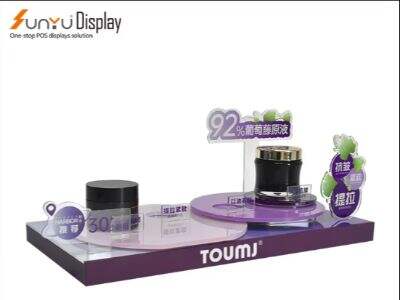
When considering display rack solutions, it’s essential to compare acrylic holders with alternatives such as glass, metal, or cardboard displays. While glass offers a premium look, it lacks the durability and safety features of acrylic. Glass displays are prone to shattering, posing safety risks in busy environments, whereas acrylic is more resilient
Metal displays provide strength and stability but can be heavier and may not offer the same aesthetic flexibility as acrylic. Cardboard displays, while cost-effective, do not generally provide the same durability or visual appeal as acrylic holders
Ultimately, the choice between these materials depends on the specific application, budget, and desired aesthetic. Buyers should weigh the long-term benefits of acrylic holders against initial costs and consider how each option aligns with their branding and display strategy
Acrylic holder solutions stand out in modern display markets due to their versatility, durability, and customization options. By understanding the key factors in sourcing, installation, and comparative analysis, businesses can make informed decisions that enhance their product displays and engage customers effectively