EN
EN


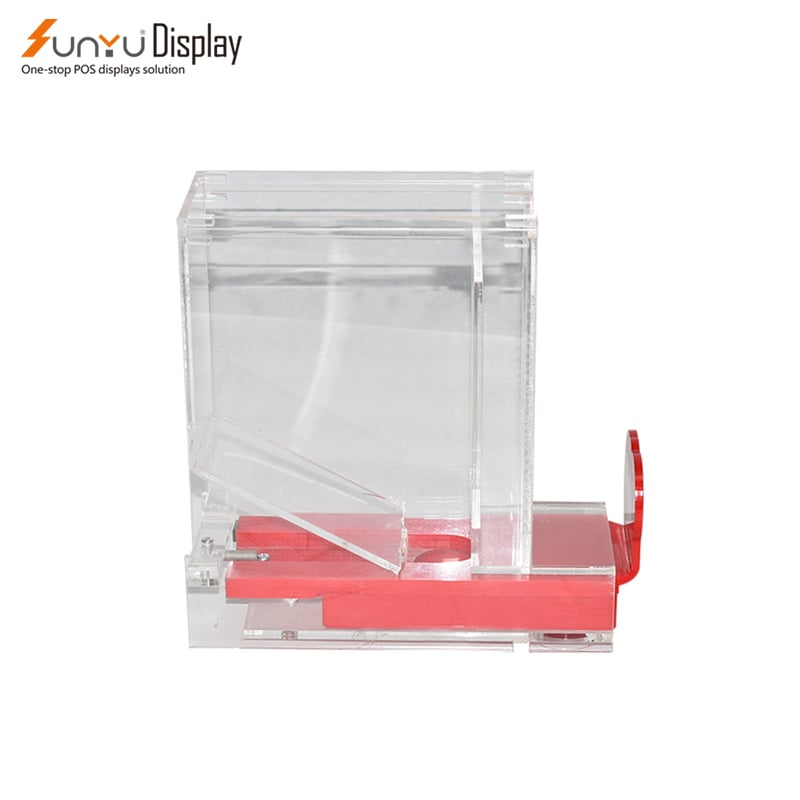
Custom wooden display boxes are essential tools for retailers, providing an attractive and functional way to showcase products. Understanding what retailers expect from custom wooden display box production is crucial for manufacturers looking to meet market demand effectively. Key buyer concerns typically include material selection, production specifications, potential issues that may arise during the ordering process, installation requirements, and cost considerations especially when ordering in bulk. This article aims to provide valuable insights to help buyers navigate these aspects, ensuring they make informed purchasing decisions.
How to Choose the Right Material for Your Display Boxes
Selecting the appropriate material for custom display box is fundamental to their functionality and aesthetics. Retailers often expect materials that not only enhance the visual appeal of their products but also ensure durability and protection during handling and transport. Common materials include solid wood, plywood, and MDF (medium-density fiberboard).
Solid Wood: Offers a premium look and feel, making it ideal for high-end products. However, it can be heavier and more expensive.
Plywood: A versatile option, providing strength and lightweight properties. It’s suitable for a variety of applications but may require additional finishing to enhance appearance.
MDF: Often used for intricate designs due to ease of cutting and shaping. While cost-effective, it may not withstand moisture as well as solid wood or plywood.
Retailers should consider the intended use, weight of the products being displayed, and environmental factors when selecting materials. This decision impacts both the display's longevity and the overall customer experience.
Key Specifications for Custom Wooden Display Box Production
When ordering custom counter display boxes, several specifications are critical to ensure the final product meets expectations. Key specifications include dimensions, weight capacity, surface finish, and assembly requirements.
Dimensions: Accurate measurements are vital. Buyers should provide detailed dimensions to avoid discrepancies that could lead to display inefficiencies.
Weight Capacity: Understanding the load each box must bear is essential. It ensures that the display can handle the intended products without risk of damage or collapse.
Surface Finish: The finish affects both aesthetics and durability. Options range from natural wood finishes to painted surfaces, which can enhance branding and product visibility.
Assembly Requirements: Some displays may require assembly. Buyers should clarify whether the manufacturer provides pre-assembled boxes or if assembly instructions are included.
Confirming these specifications before production can help mitigate common issues, ensuring that the final product aligns with the retailer's needs and expectations.
Common Problems in Custom Display Box Orders and Solutions
Buyers may encounter several common issues when ordering custom small display box. Awareness of these potential problems can facilitate smoother transactions.
Inaccurate Dimensions: One of the most frequent issues arises from miscommunication regarding dimensions. To avoid this, buyers should provide precise measurements and, if feasible, CAD drawings for clarity.
Material Shortages: Occasionally, manufacturers may face material shortages that delay production. Buyers should confirm material availability and consider alternative options during the initial discussion.
Quality Control: Variations in quality can occur, particularly in bulk orders. Implementing a robust quality control process including requesting samples before mass production can help ensure that the final product meets required standards.
Delays in Delivery: Lead times can vary based on production capacity and order complexity. Buyers should establish clear timelines and maintain open communication with manufacturers to manage expectations.
Addressing these concerns proactively will enhance the overall purchasing experience and build stronger relationships between buyers and manufacturers.
Installation Considerations for Custom Wooden Display Boxes
Proper installation is essential for the effectiveness of custom wooden display boxes. Retailers should consider several factors to ensure successful setup.
Site Assessment: Before installation, assess the display area to confirm that the dimensions and layout are suitable for the display boxes. This includes checking for sufficient lighting and accessibility.
Assembly Instructions: If the display boxes require assembly, ensure that clear instructions are provided. This helps staff set up displays efficiently and reduces the likelihood of errors.
Weight Distribution: Proper weight distribution is crucial, especially for larger display boxes. Ensuring that heavier items are placed lower can enhance stability and prevent tipping.
Maintenance: Consider how the display will be maintained. Regular cleaning and checks for wear and tear can prolong the life of the display rack wood and keep them looking their best.
By taking these installation considerations into account, retailers can maximize the effectiveness of their displays and enhance the overall shopping experience.
Cost Factors to Consider When Ordering Display Boxes in Bulk
Understanding the cost structure for custom wooden display boxes is vital for buyers, particularly when placing bulk orders. Several factors influence the overall price.
Material Choice: The choice of material significantly affects cost. Solid wood is typically more expensive than MDF or plywood. Buyers should assess their budget against the desired quality and appearance.
Design Complexity: Custom designs may incur additional costs, especially if intricate patterns or features are required. Simplifying designs can reduce costs without compromising functionality.
Quantity: Bulk orders often come with pricing advantages. Manufacturers may offer discounts for larger quantities, so buyers should evaluate their needs carefully to leverage cost savings.
Shipping and Handling: Shipping costs can vary based on size and weight. Understanding these charges upfront can help buyers budget accurately.
By considering these cost factors, buyers can make informed decisions that align with their financial constraints while still achieving the desired quality in their display boxes.