EN
EN


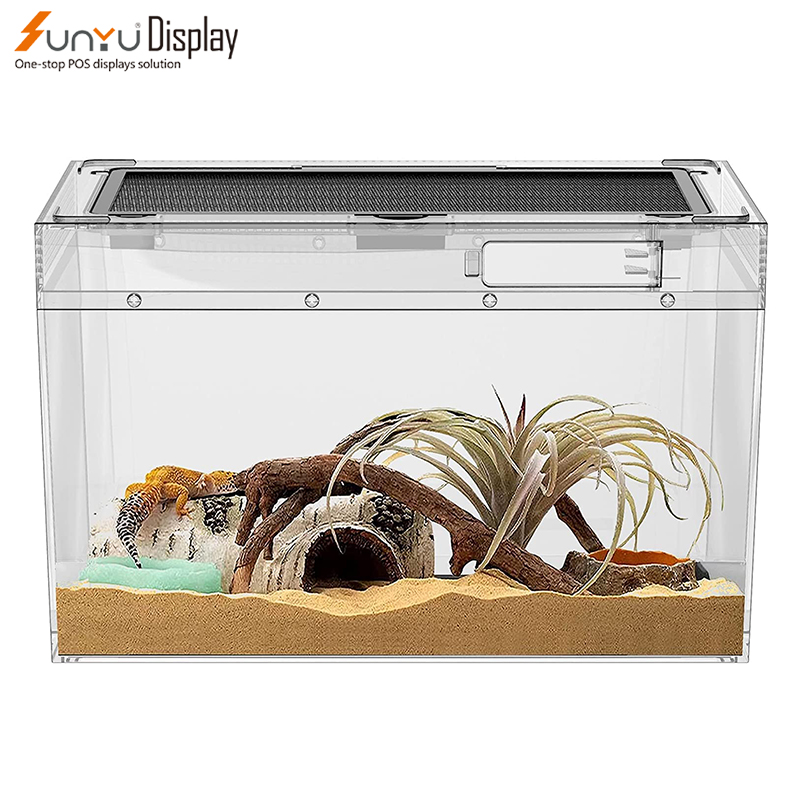
Wooden display box designs play a crucial role in enhancing product shelf appeal, attracting potential customers, and ultimately driving sales. B2B buyers, such as purchasing managers and product managers, prioritize features such as design, durability, and material selection when investing in display solutions. This article will explore how wooden display boxes can improve shelf appeal and help buyers understand critical aspects to consider when selecting and purchasing these products.
Which Features Matter Most?
When evaluating wooden model display box, buyers should focus on several key features that contribute to their effectiveness in showcasing products. These include:
Design and Aesthetics: A well-designed display box should complement the product it houses. The color, finish, and overall design should enhance the product's visual appeal and align with the brand's identity. Consider customization options to create a unique look that stands out on the shelf.
Structural Integrity: The display box must be sturdy enough to hold the product securely without risk of damage. This requires careful selection of materials and construction techniques to ensure durability, especially for heavier items.
Accessibility: The design should facilitate easy access to the product, allowing customers to interact with it without difficulty. Features like removable lids or transparent panels can enhance usability and encourage customer engagement.
Size and Fit: The dimensions of the display box should match the product size perfectly. A box that is too large can make the product look insignificant, while one that is too small may not accommodate the product properly.
Branding Opportunities: Incorporating branding elements such as logos or taglines into the design can reinforce brand identity and create a memorable impression on customers.
By prioritizing these features, buyers can ensure that the wooden display boxes they select will effectively enhance product shelf appeal and drive sales.
How Material Selection Impacts the Durability of Display Boxes
Material selection is a critical factor that affects the durability and performance of wooden display boxes. Common materials include various types of wood, plywood, and engineered wood products. Each material has unique properties that influence the display box's functionality:
Solid Wood: Known for its robustness and aesthetic appeal, solid wood offers excellent durability. However, it can be heavier and more expensive than other options. Buyers should consider the weight requirements of their products when choosing solid wood.
Plywood: This material is engineered for strength and stability, making it a popular choice for display boxes. Plywood is less prone to warping and cracking compared to solid wood, making it a reliable option for long-term use.
Engineered Wood: Options such as MDF (Medium Density Fiberboard) are often more cost-effective and can be finished with veneers to achieve a high-end look. While engineered wood may not be as durable as solid wood, it offers good design flexibility and can be an excellent choice for less demanding display applications.
Finishing Treatments: The type of finish applied to the wood can also impact durability. Protective coatings can enhance resistance to moisture, scratches, and fading, thus prolonging the life of the display box.
Ultimately, buyers should evaluate the intended application, product weight, and environmental conditions when selecting materials for wooden custom display box to ensure they maintain their structural integrity over time.
Installation Tips for Maximizing the Impact of Display Boxes
Proper installation and placement of wooden display boxes are essential to maximize their impact in retail environments. Here are some practical tips:
Strategic Location: Position display boxes at eye level to attract attention. Research shows that products displayed at eye level tend to sell better, as they are more visible to customers.
Lighting Considerations: Utilize effective lighting to highlight the display box and the products inside. Proper lighting can enhance the visual appeal and draw customers in. Consider LED strip lights or spotlights to create an inviting atmosphere.
Clear Signage: Ensure that the display box includes clear signage that communicates product benefits and pricing. This helps customers quickly understand the offering and can encourage purchases.
Regular Maintenance: Keep display boxes clean and well-maintained. Regularly check for any wear or damage, and replace or repair boxes as needed to maintain a professional appearance.
Test Different Arrangements: Don’t hesitate to experiment with different arrangements and placements of the display boxes. A change in layout can refresh the look of a retail space and attract returning customers.
By following these installation tips, buyers can maximize the effectiveness of wooden small display box and enhance their overall product presentation.
Cost Factors to Consider When Purchasing Wooden Display Boxes in Bulk
When purchasing wooden display boxes in bulk, several cost factors need consideration to make an informed buying decision:
Material Costs: Different wood types and finishes can significantly affect the overall cost. Solid wood, while durable, is often more expensive than plywood or engineered wood. Buyers should balance quality and budget when selecting materials.
Customization Options: Custom designs and branding elements can add to the cost. While these features enhance shelf appeal, it’s essential to evaluate whether the added expense aligns with marketing goals and budget constraints.
Order Quantity: Bulk purchases may yield discounts, but buyers should also consider the Minimum Order Quantity (MOQ) set by manufacturers. Understanding the MOQ helps in planning and budgeting for larger orders.
Shipping and Handling: The cost of shipping can vary based on the size and weight of the display boxes. It’s important to factor in these costs when calculating the total expenditure.
Lead Time: Custom or bulk orders may require longer lead times. Buyers should communicate their timelines with the manufacturer to ensure that products are delivered when needed, avoiding potential disruptions to inventory.
Considering these cost factors will help buyers make sound financial decisions and ensure they get the best value from their investment in display wooden rack.
Applications of Wooden Display Boxes Across Various Industries
Wooden display boxes are versatile and can be used across various industries to enhance product presentation. Some prominent applications include:
Retail: In retail environments, wooden display boxes can showcase products such as cosmetics, gourmet food, or artisanal goods. Their aesthetic appeal can enhance the shopping experience and create a more inviting atmosphere.
Exhibitions and Trade Shows: Manufacturers often use wooden display boxes to present their products at trade shows. A well-designed box can effectively highlight features and attract attention from potential buyers.
Hospitality: Hotels and restaurants can utilize wooden display boxes for food presentations, such as showcasing pastries or artisanal cheeses. This not only enhances the visual appeal but also elevates the dining experience.
Crafts and Gifts: Artisans and crafters can use wooden display boxes to present handmade items or gifts. Customization options can make these boxes unique and serve as an extension of the brand.
Corporate Events: Businesses can use wooden display boxes to showcase awards, products, or promotional materials at corporate events. These boxes can be tailored to fit the company’s branding and event theme.
By understanding the various applications of wooden display boxes, buyers can better assess how to incorporate them into their marketing and sales strategies, ensuring that they maximize their effectiveness in attracting customers.