EN
EN


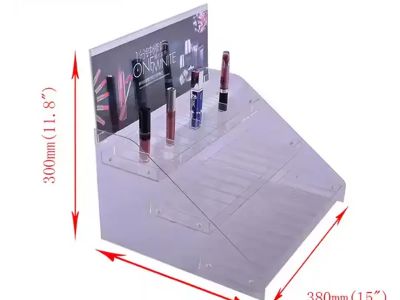
Stand acrylic holders are essential tools for enhancing the organization and visual appeal of counter displays. By providing a clear and structured way to present products, these acrylic art display stands facilitate better product visibility and accessibility, which are crucial for maximizing sales in retail environments. We will explore how stand acrylic holder products improve counter display organization, address key specifications to consider when choosing holders, evaluate quality for long-term use, discuss cost factors for bulk orders, and offer installation guidance for optimal use.
How Stand Acrylic Holders Enhance Counter Display Efficiency?
Stand acrylic holders play a vital role in improving counter display efficiency. Their transparent design allows customers to see products clearly, which draws attention and encourages purchases. Additionally, these holders can be customized to fit specific product shapes and sizes, ensuring that items are presented in the best possible light.
Retailers often face challenges with cluttered displays, which can confuse customers and detract from sales. By using acrylic holders, businesses can maintain a tidy and organized display. The holders can also be used to categorize products, such as separating different flavors of a beverage or various sizes of a product line. This not only helps customers find what they need more easily but also allows retailers to showcase their offerings effectively.
Furthermore, acrylic holders are lightweight and portable, making them easy to reposition or relocate as needed. This flexibility is particularly beneficial during promotional events or seasonal changes, where displays may need to be adjusted frequently.
Key Specifications to Consider When Choosing Acrylic Holders
When selecting acrylic holders, several key specifications should be considered to ensure they meet the needs of your display:
Material Thickness: The thickness of the acrylic impacts durability and stability. Thicker materials are generally more robust and resistant to bending or breaking, making them suitable for heavier products.
Dimensions: Proper sizing is critical. Holders must be designed to fit the specific dimensions of the products they will display. A well-fitted holder prevents items from slipping or falling, thus maintaining a professional appearance.
Base Design: The base of the acrylic holder should provide adequate support. A wider base can enhance stability, especially for taller displays. Consider if the holder will be used on a countertop, shelf, or other surfaces.
Finish and Clarity: The optical clarity of the acrylic affects how products are perceived. High-quality acrylic should be clear and free from imperfections to ensure optimal visibility.
Customization Options: Many manufacturers, like Sunyu Display Product Co., Ltd, offer customization in terms of size, shape, and colors. Customization can enhance branding and align with the overall aesthetic of the retail environment.
By understanding these specifications, buyers can make informed decisions that enhance product visibility and display effectiveness.
Evaluating the Quality of Acrylic Holders for Long-Term Use
Quality is a crucial consideration when investing in acrylic holders. The following factors can help buyers evaluate the durability and overall quality of these products:
Material Grade: Acrylic holders should be made from high-quality, UV-resistant acrylic to prevent yellowing or cracking over time. This is especially important for acrylic 3 tier stand that will be exposed to sunlight or harsh indoor lighting.
Manufacturing Process: Understanding the manufacturing process can provide insights into the quality of the holders. For instance, holders produced using advanced techniques like laser cutting and CNC routing tend to have cleaner edges and more precise dimensions, contributing to a more professional appearance.
Quality Control Standards: Look for manufacturers with quality control certifications, such as ISO9001:2015. This indicates that the company adheres to strict quality management processes, ensuring consistent product quality.
Performance Testing: Request information on any performance tests conducted on the acrylic holders. This can include tests for impact resistance, temperature tolerance, and long-term performance under typical use conditions.
By thoroughly evaluating these factors, buyers can ensure that their investment in acrylic holders will pay off in terms of durability and functionality.
Cost Factors to Assess for Bulk Orders of Acrylic Holders
When considering bulk orders of acrylic holders, several cost factors should be assessed to achieve the best value:
Material and Production Costs: The type of acrylic used and the complexity of the design will significantly influence the price. Thicker, higher-grade acrylics typically cost more but offer better durability.
Customization Fees: Custom designs may incur additional costs. It’s important to discuss customization options upfront to understand how they will affect the total price.
Minimum Order Quantity (MOQ): Many manufacturers have MOQs that can impact the overall cost. Understanding these requirements can help buyers plan their orders effectively.
Shipping and Handling Charges: Consider the logistics of transporting acrylic holders. Bulk orders may qualify for reduced shipping rates, but buyers should factor in potential handling fees as well.
Lead Time: A shorter lead time may come with higher costs. Buyers should balance the urgency of their needs with budget constraints to find a suitable solution.
By evaluating these cost factors, purchasing managers can make strategic decisions that align with their budget while still meeting display needs.
Installation Guidance for Optimal Use of Acrylic Display Holders
Proper installation of acrylic display holders is crucial for maximizing their effectiveness. Here are some key guidelines to consider:
Surface Selection: Choose a clean, flat surface for installation to ensure stability. If the display is on a countertop, ensure it is free from dust and debris to maintain the aesthetic appeal of your a3 acrylic stand.
Arrangement Strategy: Plan the arrangement of products before installation. Group similar items together and maintain consistent spacing to create a visually appealing display.
Height Considerations: When arranging taller holders, consider the sight lines of customers. Position these holders at eye level whenever possible to enhance visibility and encourage interaction.
Regular Maintenance: Acrylic holders can accumulate dust and fingerprints. Regular cleaning with appropriate materials will keep the displays looking fresh and inviting. Avoid ammonia-based cleaners which can damage the acrylic.
Repositioning: Be flexible and willing to reposition holders as needed based on seasonal changes or sales strategies. This adaptability can help keep the display dynamic and engaging.
By following these installation guidelines, businesses can ensure their acrylic holders function effectively and contribute to an organized counter display.
In summary, stand acrylic holders are a valuable investment for any retail display strategy. By understanding the specifications, quality evaluation, cost considerations, and installation practices, purchasing managers and product managers can make informed decisions that enhance product visibility and customer engagement.
Table of Contents
- How Stand Acrylic Holders Enhance Counter Display Efficiency?
- Key Specifications to Consider When Choosing Acrylic Holders
- Evaluating the Quality of Acrylic Holders for Long-Term Use
- Cost Factors to Assess for Bulk Orders of Acrylic Holders
- Installation Guidance for Optimal Use of Acrylic Display Holders