EN


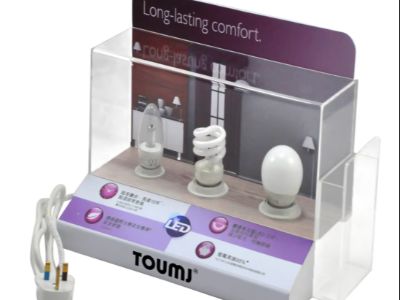
Display showcase lighting plays a crucial role in enhancing customer product interaction, especially in retail and exhibition environments. By strategically illuminating products, businesses can draw attention, enhance product visibility, and elevate the overall shopping experience. For procurement professionals and purchasing managers, understanding how display showcase lighting improves customer engagement is vital for making informed decisions that can influence sales and customer satisfaction. This article will delve into the nuances of display showcase lighting, helping you identify effective lighting solutions for your business.
How Display Showcase Lighting Enhances Customer Engagement?
Effective display showcase lighting can significantly impact customer engagement by creating a captivating atmosphere that encourages exploration and interaction with products. Bright, well-placed lighting can highlight key features of products, making them more appealing to potential buyers. For example, LED lighting can enhance the colors and textures of merchandise, making them stand out in a competitive environment. Moreover, the right lighting can evoke emotions and create an ambiance that reflects the brand's identity. For instance, warm lighting may create a cozy and inviting atmosphere, while cooler tones may convey a modern and sleek image. Understanding these visual cues can help businesses design their spaces to better connect with their target audience, ultimately increasing dwell time and the likelihood of purchase.
Choosing the Right Display Lighting for Optimal Product Visibility
When selecting display lighting, several key specifications should be considered to ensure optimal product visibility. First, the type of lighting whether LED, fluorescent, or halogen affects both energy consumption and the quality of light emitted. LEDs, for instance, are energy-efficient and have a longer lifespan, making them a popular choice for retailers looking to reduce operational costs. Next, the color temperature of the light is paramount. Measured in Kelvin (K), this can range from warm (around 3000K) to cool (over 5000K). Choosing the right color temperature is crucial, as it can influence how colors appear under the light. For example, a cooler light might work well for electronics, while warmer may be better suited for fashion items. Additionally, lighting placement plays a critical role. Direct lighting can create shadows and highlights that might distort product visibility, of led light display stand while indirect lighting can provide a more flattering and even illumination. It's essential to assess the layout and product placement in the showcase to determine the most effective lighting setup.
Installation Tips for Effective Display Lighting in Showcases
Proper installation of display lighting is crucial to achieve the desired effects. First, assess the height and angle of the lighting fixtures. Lights positioned too high may fail to illuminate products effectively, while lights that are too low might create glare or harsh shadows. Ideally, fixtures should be adjustable to allow for fine-tuning once installed. Consider using dimmable lights to adjust brightness based on the time of day or customer traffic. This flexibility can help create an inviting atmosphere during off-peak hours while providing brighter lighting during busy shopping times. Wiring and power supply should also be planned carefully. Ensure that the chosen lighting system is compatible with existing electrical infrastructure to avoid costly modifications. It’s advisable to consult with a professional electrician to ensure compliance with safety standards and to facilitate a seamless installation process.
Common Problems with Display Lighting and Practical Solutions
Despite careful planning, businesses may encounter common issues with display lighting. One such problem is lighting inconsistency, where certain areas of a showcase may appear brighter or dimmer than others. This can be addressed by using a combination of ambient and task lighting, ensuring that all products receive adequate illumination.
Another issue is heat generation, particularly with incandescent bulbs, which can damage sensitive products. To mitigate this, opt for LED lighting, which produces minimal heat and can be placed closer to items without risking damage. Flickering lighted display stand can also be a nuisance, often indicating an issue with the electrical supply or the need for bulb replacement. Regular maintenance checks can help identify and rectify these problems promptly, ensuring consistent performance.
Exploring Application Scenarios for Effective Display Lighting
Different retail environments may require tailored display lighting strategies. For instance, jewelry stores often use spotlighting to highlight individual pieces, creating a sense of luxury and exclusivity. In contrast, clothing retailers might utilize softer, diffuse lighting to present garments in a more flattering manner.
In industrial settings, display lighting can facilitate product demonstrations, showcasing features and specifications that may not be immediately visible. For example, in a hardware store, focused lighting can illuminate tools and machinery, drawing attention to their unique features and encouraging hands-on interaction. Understanding the specific needs of your environment can guide the decision-making process when selecting and installing display showcase lighting. Factors such as product type, target demographic, and store layout will all influence the effectiveness of your display lighting solutions.
By taking the time to understand how acrylic display case with led lights lighting improves customer product interaction, purchasing managers can make informed decisions that enhance the shopping experience and drive sales. Whether you're exploring LED options for energy efficiency or assessing the right color temperature for your product offerings, the insights provided here will equip you with the knowledge needed to optimize your display environments.
Table of Contents
- How Display Showcase Lighting Enhances Customer Engagement?
- Choosing the Right Display Lighting for Optimal Product Visibility
- Installation Tips for Effective Display Lighting in Showcases
- Common Problems with Display Lighting and Practical Solutions
- Exploring Application Scenarios for Effective Display Lighting